Artificial intelligence (AI) traces its origins back to the 1940s, when researchers first attempted to model the human nervous system mathematically.
Since then, progress has been continuous but not linear. AI has evolved step by step, sometimes accelerating, sometimes pausing like climbing a staircase.
Over the past 20 years, this pace has dramatically increased.
Today, in 2026, it is clear:
AI is transforming our lives and the global economy
But its progress is beginning to slow
The key challenges are now evident:
Extreme energy consumption
Increasing difficulty of training models
The End of the Exponential Phase
Just a few years ago, the dominant narrative especially in Silicon Valleywas that AI had entered an unstoppable exponential phase, rapidly approaching Artificial General Intelligence (AGI).
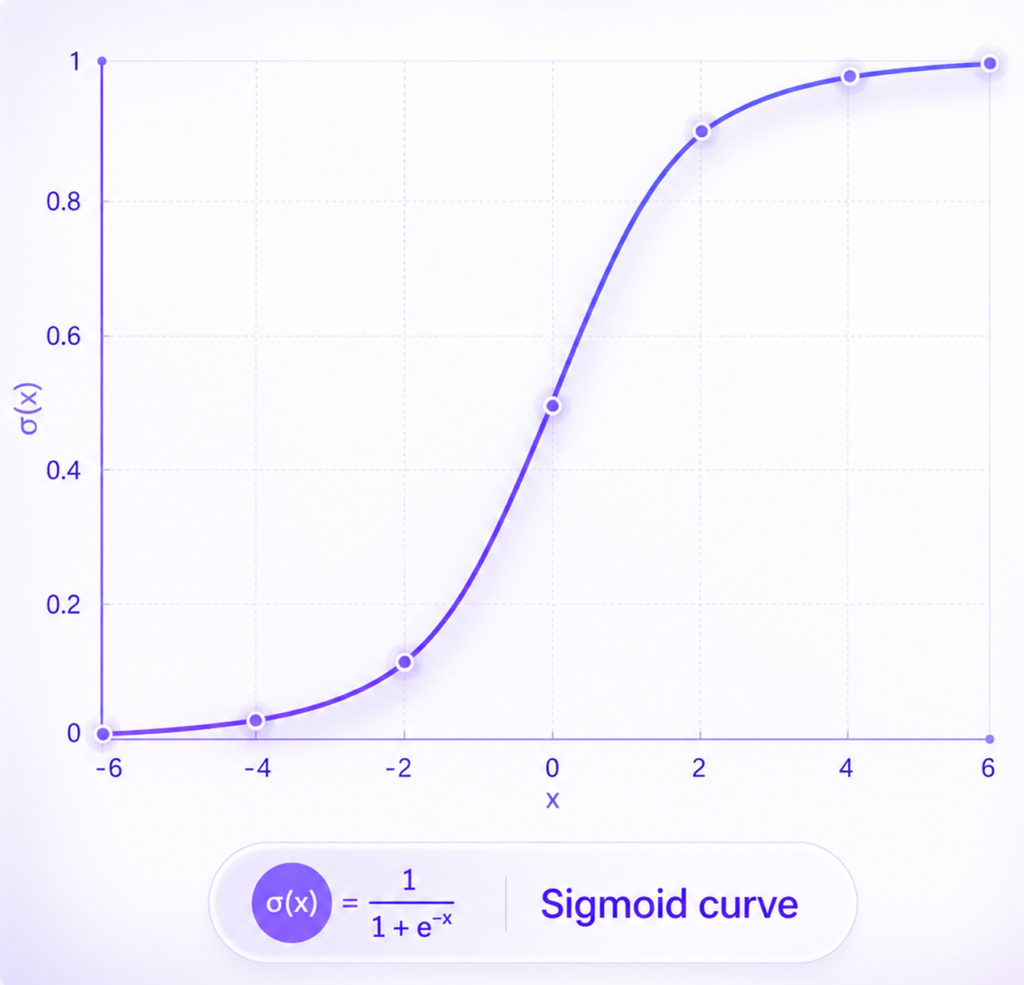
More cautious researchers, however, described this growth as a sigmoid curve.
By 2026, this plateau is becoming visible.
AI progress has not stopped but it is slowing and searching for its next leap.